Connected
Play Connected
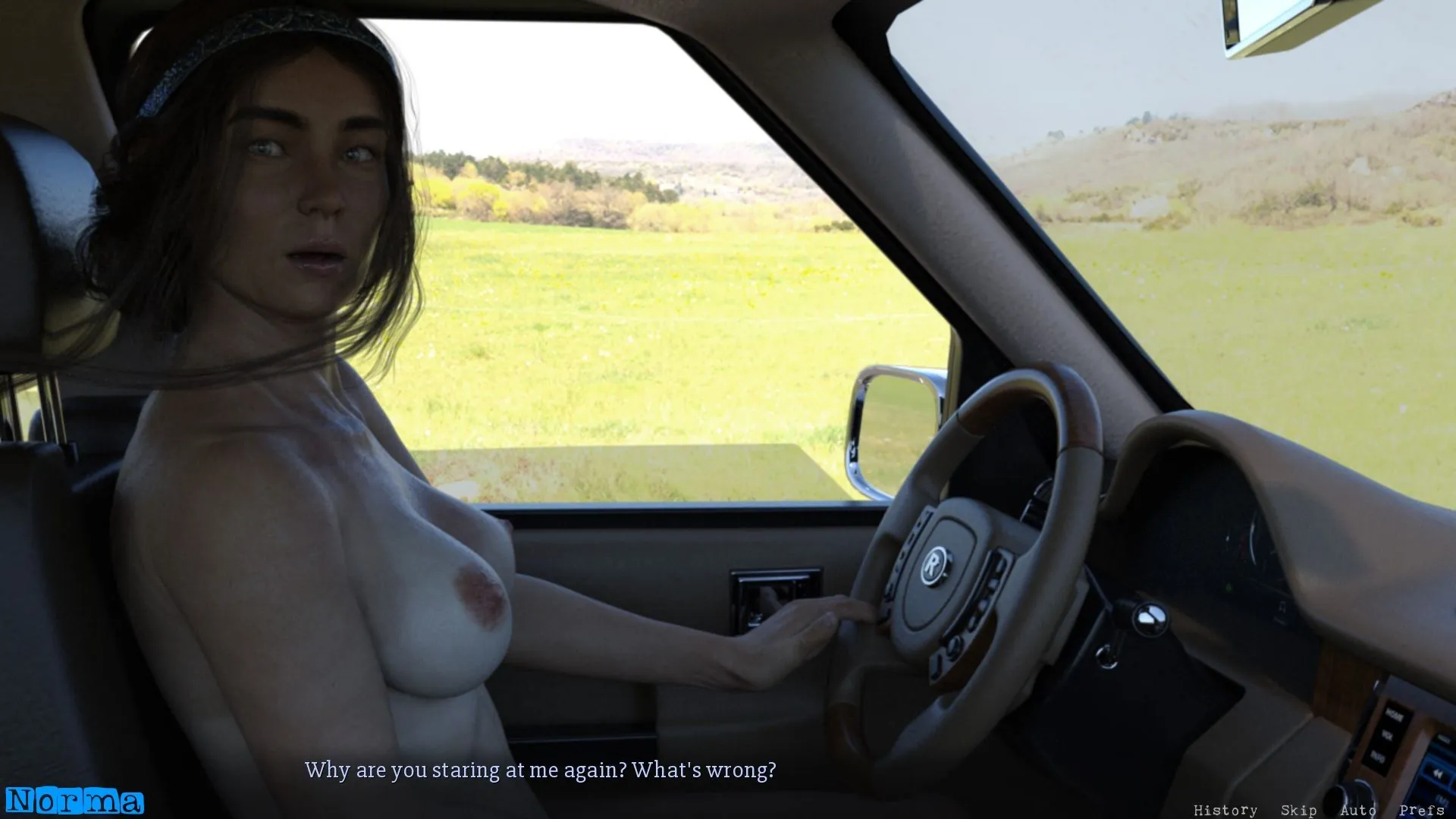
Connected Screenshots








Connected review
Story, choices and strategies to get the most out of Connected
Connected is a narrative-driven adult game that blends relationship management, branching choices, and slow-burn character development into a single, highly replayable experience. If you have just discovered Connected or you are wondering how to approach your first full playthrough, this guide will walk you through the game’s core loop, its key characters, and the decisions that truly matter. Drawing from personal playtime and shared community experiences, we will explore how to enjoy the story at your own pace while still unlocking the most meaningful scenes and outcomes.
How Connected Works: Story, Choices and Core Loop
So, you’ve heard whispers about Connected, seen some alluring screenshots, and now you’re wondering what you’re actually getting into. 🤔 Is it a visual novel? A dating sim? An interactive drama? The answer is a compelling blend of all three. Let’s pull back the curtain and explore exactly how Connected works, from its beating heart to the delicate web of choices that defines its Connected gameplay.
This isn’t a game about quick-time events or high scores. It’s about people, tension, and the quiet, impactful moments in between. If you’re ready for a story where your decisions truly sculpt the narrative, you’re in the right place.
What is Connected and how is it structured?
At its core, Connected is a narrative-driven, choice-based experience designed for an adult audience. Think of it less as a traditional “game” and more as an interactive television series or a novel where you hold the pen for a key character. The focus is squarely on complex relationships, simmering emotional tension, and gradual, meaningful escalation rather than fast-paced action or puzzles.
The Connected game structure is built around a sequence of scenes, often framed as episodes, days, or specific encounters. You’ll spend most of your time in dialogue-heavy interactions, getting to know a cast of nuanced characters. Advancement is straightforward: you read, you listen, you observe, and when the moment comes, you make a choice. The story then flows to the next scene, often allowing you to return to recurring hubs like a shared house, a favorite café, or a character’s apartment. These hubs act as narrative anchors, giving you a sense of place and continuity.
The fundamental Connected gameplay loop is elegant and immersive:
* Read the Scene: Absorb the dialogue, descriptions, and character dynamics.
* Make a Choice: Decide what to say, where to go, or how to react.
* See the Consequence: Experience immediate reactions and subtle shifts in relationships.
* Unlock New Scenes: Your cumulative decisions guide you down a unique narrative path.
The magic lies in how these small moments accumulate, creating a story that feels personally yours. This brings us to the engine that powers the entire experience: the choice system.
How do choices and branches work in Connected?
This is where Connected truly shines and where understanding how Connected works is crucial. The game doesn’t have a morality meter or a simple “Character A likes this” pop-up. Instead, it uses a sophisticated system of branching paths and invisible flags (think of them as relationship points or story state trackers).
Every choice, big or small, can set a flag. Early decisions can quietly unlock—or permanently block—scenes and opportunities much later in the story. This creates a powerful sense of cause and effect.
Choices generally fall into two categories:
| Choice Type | What It Is | Impact |
|---|---|---|
| Obvious Branching Points 🚦 | Clear, narrative-defining decisions. “Do I go to the party with Alex or stay home with Sam?” | These directly steer you onto major Connected branching paths, opening up entire story arcs focused on one character or scenario while closing off others. |
| Subtle Dialogue & Gestures 🤫 | Tone, small acts of support, or seemingly trivial dialogue options. A reassuring smile, a defensive retort, or choosing to listen instead of advise. | These build or erode hidden affinity, shaping how characters perceive and trust you over time. They determine how a story unfolds, not just which story you get. |
Let’s make this concrete with an example. Imagine a quiet Tuesday evening. You have two messages: one from the driven but reserved Riley asking for help with a work project, and another from the spontaneous Jamie inviting you to an impromptu gallery opening.
- Choosing to help Riley might flag you as “reliable” in their eyes, unlocking a later scene where they confide a personal secret, effectively starting their unique romance or deep friendship route.
- Choosing to go with Jamie might flag you as “adventurous,” opening their route, but that “reliable” flag with Riley remains unset. The game won’t explicitly tell you this, but weeks later in the story, Riley might politely decline your offer of help, noting “you seemed busy with your own thing lately.”
This is the essence of our Connected choices guide: your path is built from both the loud, crossroads moments and the quiet, everyday interactions.
💾 A Quick Save/Load Strategy Tip: Don’t try to “perfect” your first run! That said, to freely explore Connected branching paths, use this practical system: Keep 2-3 rotating manual saves. Before a major, obvious choice (like the one above), create a new save. Use one slot for your “blind” playthrough, and another to experiment. The game often pauses or uses distinct music to signal a key decision point—that’s your cue to save. Avoid save-scumming every tiny dialogue option; it breaks immersion. Let your first story be authentic, warts and all.
The replayability is enormous. Seeing how different combinations of flags alter conversations, unlock new intimacy, or even lead to dramatic confrontations is a huge part of the fun. This leads perfectly into how you should approach your initial journey.
Progression tips for your first Connected playthrough
Diving into a game with so many hidden variables can be daunting. Here are my top Connected first playthrough tips to ensure you get the most authentic and enjoyable experience right out of the gate.
1. Focus on 1-2 Characters, Not the Whole Cast. 🎯
Trying to make everyone happy is a surefire path to a disjointed story and potentially missing deep connections. On your first run, let yourself be drawn to one or two personalities. Follow those threads with genuine interest. The game is designed for you to miss content initially—that’s what makes subsequent playthroughs fresh!
2. Read the Room (Literally). 👀
Pay close attention to how things are said. Connected excels at conveying subtext through descriptive prose. Notice if a character’s smile doesn’t reach their eyes, if they cross their arms after your comment, or if their dialogue becomes clipped. These are your primary clues about changing affinity, far more valuable than any on-screen meter.
3. Embrace the Missed Scene. ✅
This might be the hardest but most important tip. You will lock yourself out of scenes. You will see a character choose someone else. This isn’t failure—it’s the narrative responding to your choices. Accepting this makes the story feel weighty and real. Your playthrough becomes “the one where I focused on Sam” rather than “the incomplete run.”
4. Play in Engaged Sessions. 🛋️
To truly sync with the emotional pace and remember subtle character details, try to play in chunks of an hour or more. This helps you stay connected to the evolving relationships, making the payoff of big moments far more powerful.
Let me share a personal story from my first blind run. I was instantly intrigued by a character named Leo—gruff on the outside but with hints of a protective softness. I followed my gut, choosing to support his unconventional ideas even when others dismissed him. I missed parties, turned down other invites, and didn’t realize I was quietly setting all the flags for his route. When the story later presented a major crisis and my character was the only one he turned to, it felt incredibly earned and authentic. I hadn’t followed a guide; I’d just been consistently there for him. It made the narrative feel uniquely mine.
So, is Connected worth playing? If you crave a story where your presence genuinely matters, where relationships build and fracture with believable complexity, then absolutely. Understanding how Connected works—its scene-based structure, its flag-based choice system, and the value of a focused first playthrough—unlocks the door to a deeply rewarding experience.
Now that you grasp the core mechanics, you’re ready to appreciate the nuanced character arcs and delicate relationship dynamics that truly make Connected unforgettable. In our next guide, we’ll delve into the specific hearts and minds you’ll encounter on your journey.
Connected rewards players who enjoy character-driven stories, meaningful choices, and the thrill of slowly discovering how each decision reshapes the path ahead. If you take your time, pay attention to subtle reactions, and stay open to replaying routes with different priorities, the game reveals deeper layers of connection and consequence that can feel surprisingly personal. Start with one honest, instinct-led playthrough, then return to explore the branches you missed—each run will highlight new sides of the cast and show you just how much your choices in Connected truly matter.