Inner Growth
Play Inner Growth
Inner Growth Screenshots




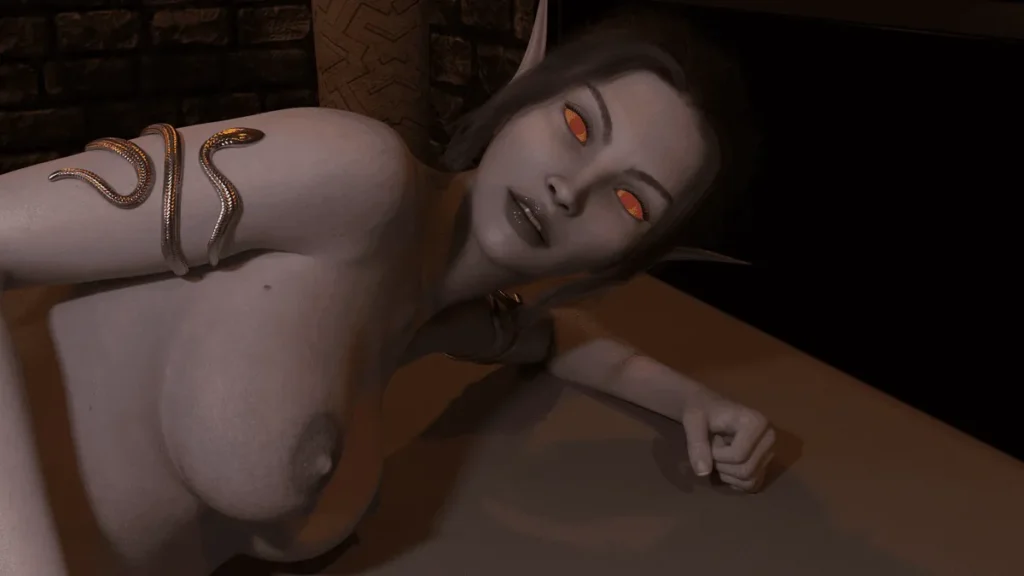
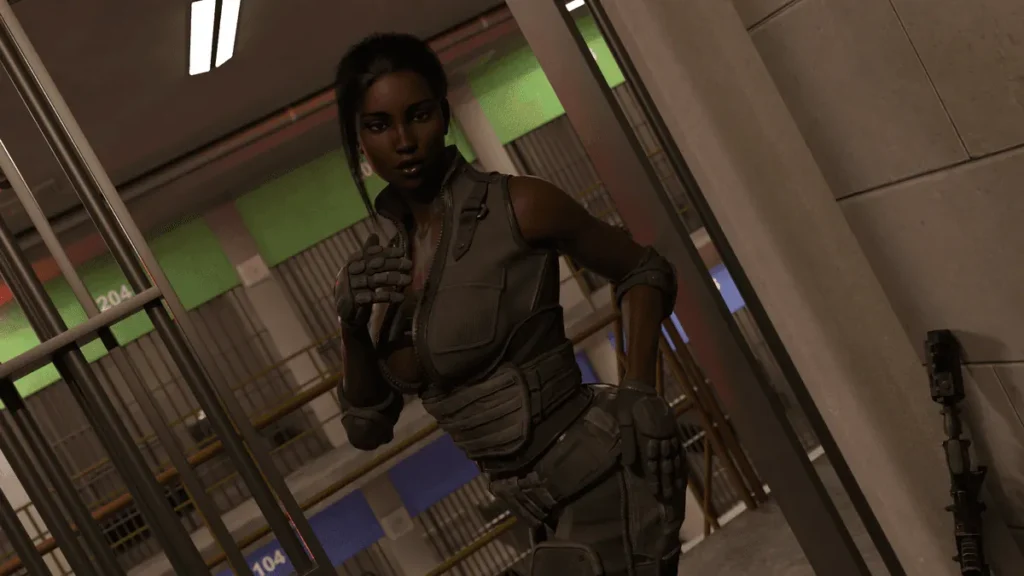


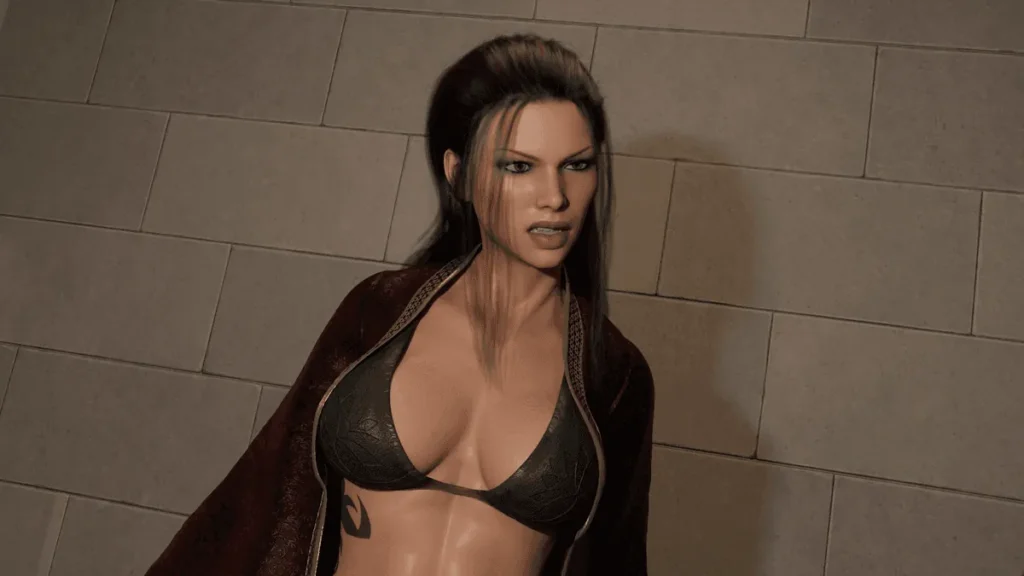

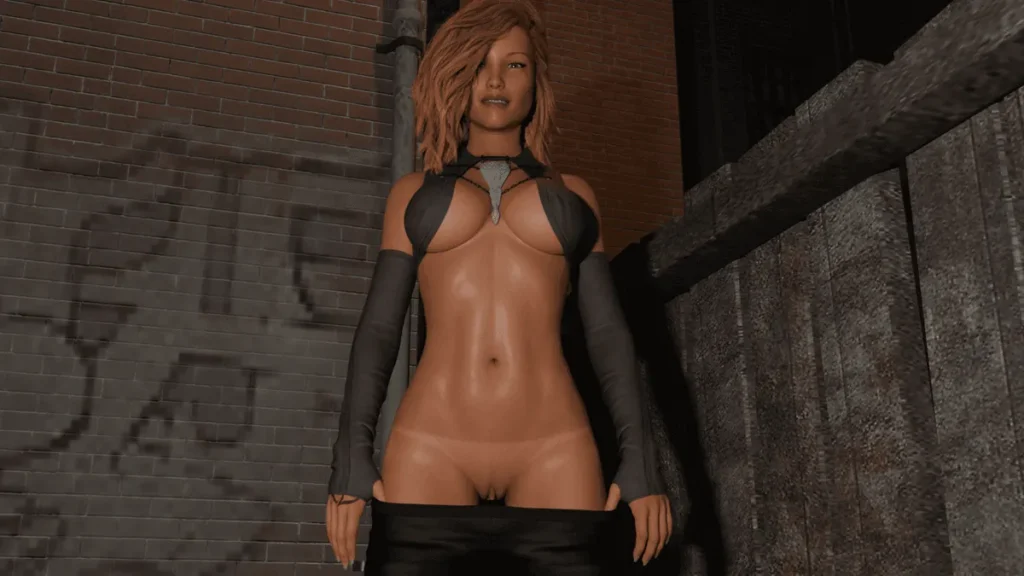
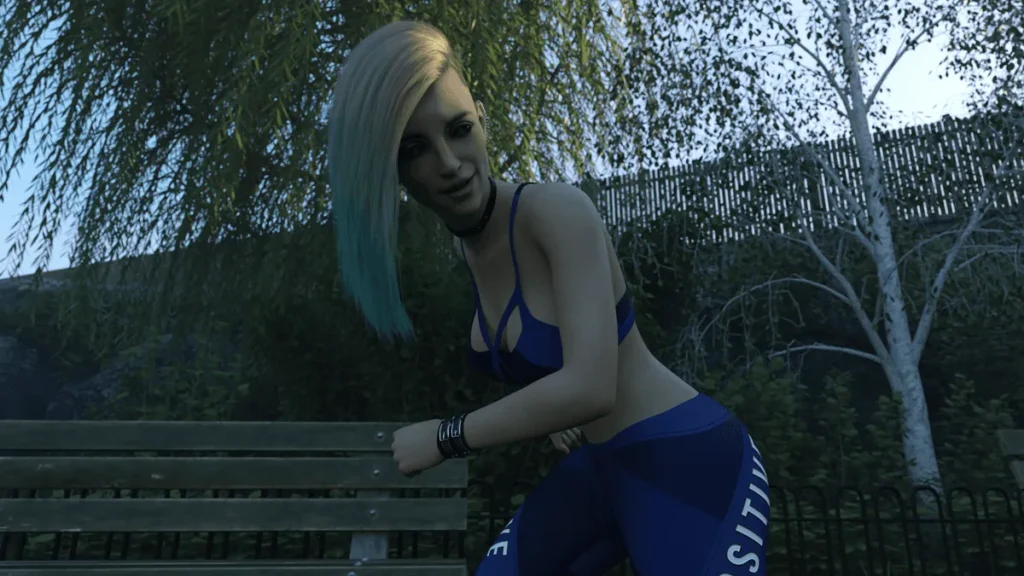
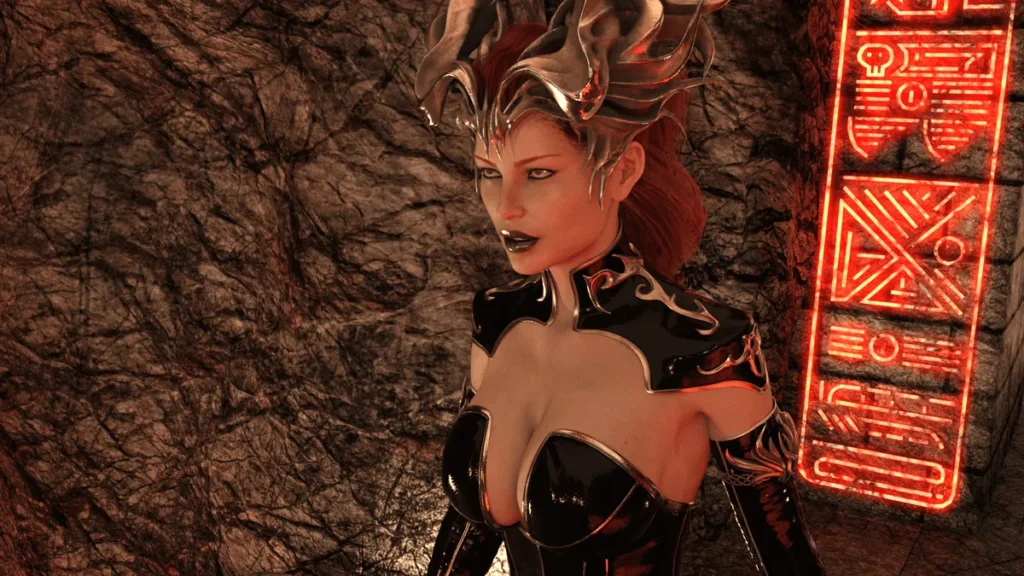
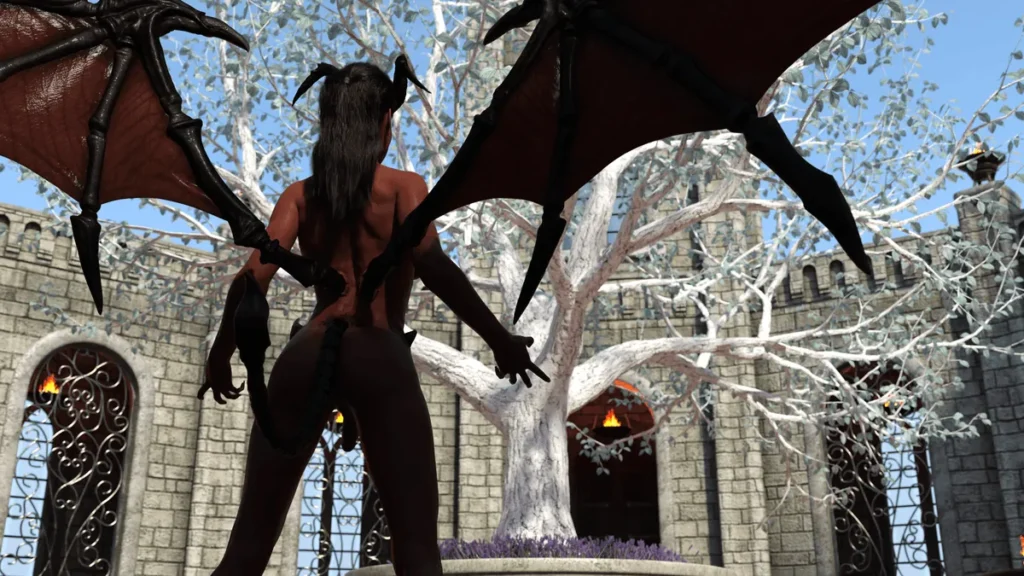
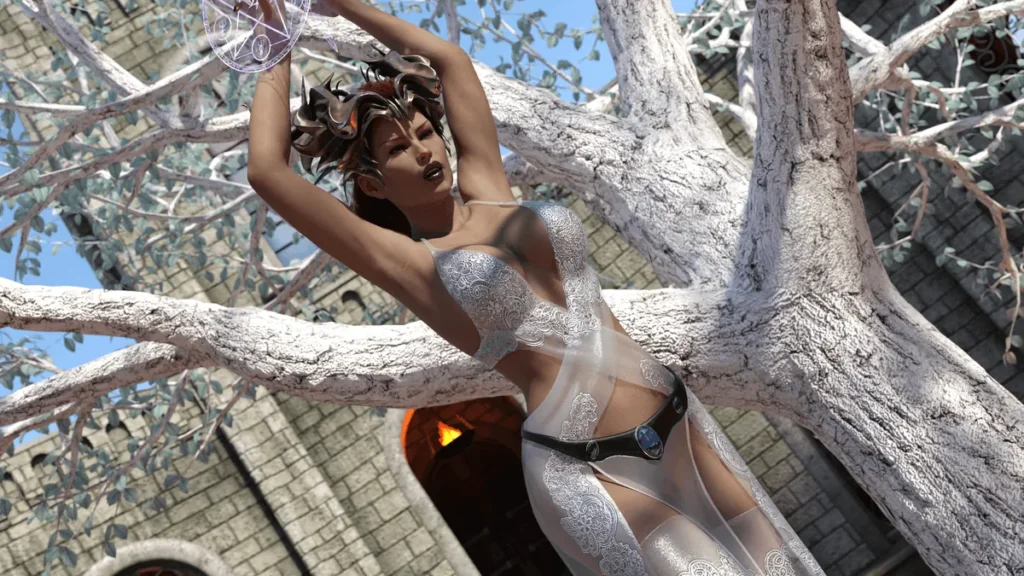
Inner Growth review
Explore the decision-driven narrative experience that blends fantasy storytelling with meaningful gameplay mechanics
Inner Growth stands out as a narrative-driven visual novel that challenges players to navigate complex moral decisions in a richly detailed fantasy world. Developed by Morally Purple, this decision-based game follows Thalna, a protagonist forced to transition from the underworld to the human realm, where every choice carries significant consequences. Unlike traditional games that prioritize linear storytelling, Inner Growth emphasizes player agency, allowing your decisions to shape relationships, character development, and multiple branching storylines. Whether you’re drawn to immersive narratives, character-driven plots, or games where your choices genuinely matter, this guide explores what makes Inner Growth a compelling experience for players seeking depth and replay value.
Understanding Inner Growth: Premise, Setting & Protagonist
Have you ever played a game that felt more like a journey of self-discovery than just entertainment? That’s exactly what Inner Growth offers—a decision-driven narrative experience that blends fantasy storytelling with meaningful gameplay mechanics. 🎮 As someone who’s spent countless hours exploring visual novels, I can tell you that this game stands out for its deep focus on character development and moral choices. When I first booted up Inner Growth, I expected a typical fantasy romp, but what I got was a poignant, often challenging, look at how our choices define us. At its core, the Inner Growth game storyline is a transformative tale, and it all begins with a princess who has everything, only to lose it all. Let’s dive into the premise, setting, and the unforgettable protagonist who makes this character-driven visual novel so compelling.
Who is Thalna and Her Journey Between Worlds
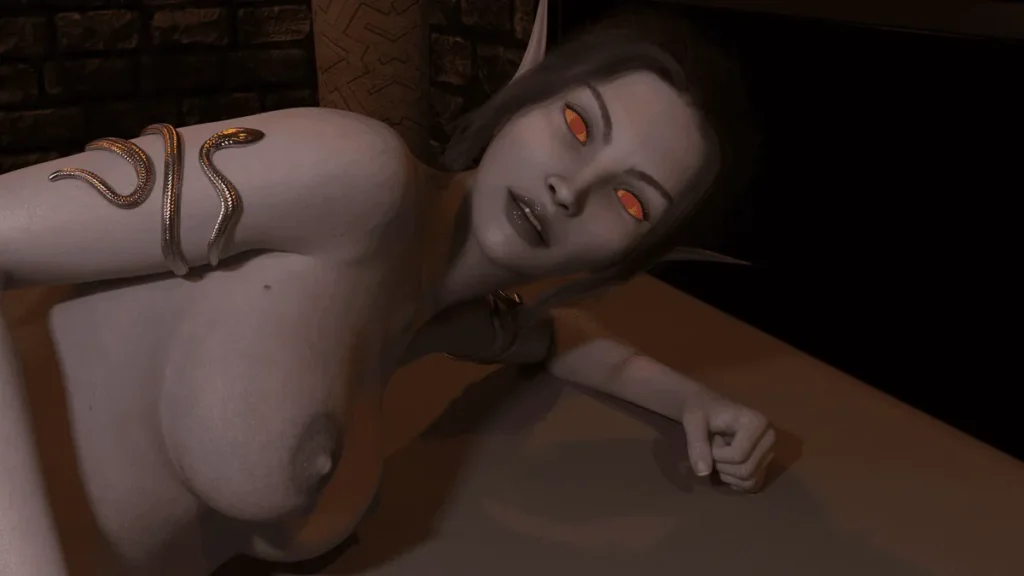
Meet Thalna, the Thalna protagonist character at the heart of Inner Growth. Imagine being the daughter of the underworld’s ruler, living a life of luxury and entitlement, where every whim is catered to. That’s Thalna’s reality—until it isn’t. 😈 She’s not just any demon; she’s the spoiled princess of a realm where power and pleasure reign supreme. Her characteristics are a mix of captivating charm and infuriating arrogance. I remember in my early playthrough, I was both drawn to her confidence and frustrated by her selfishness. But that’s the point—Thalna is designed to be a work in progress, a diamond in the rough waiting to be polished by her experiences.
Her world is turned upside down when she’s abruptly exiled to the human realm, a place she’s only heard of in whispers. This forced transition isn’t just a change of scenery; it’s the catalyst for her entire Inner Growth game plot. Think of it: one day, you’re commanding demons in a palace of shadows, and the next, you’re navigating a busy human city, completely out of your depth. 🌆 This jarring shift sets up the central conflict: Thalna must survive without her innate power and privilege, learning what it means to be vulnerable, empathetic, and ultimately, human. The underworld to human realm narrative isn’t just a backdrop; it’s the engine for her personal revolution.
What makes Thalna so engaging is her authenticity. She’s not a blank slate for players to project onto; she has a defined personality—proud, curious, and initially, quite naive about mortal life. Her journey is about shedding that aristocratic shell and discovering her true self beyond titles and magic. In version 1.9, her character arc has been fleshed out with more depth, showing her struggles with identity and belonging. From my own gameplay, I saw how small choices, like whether she embraces her demonic heritage or hides it, ripple through the story, affecting how other characters perceive and interact with her. This visual novel decision-making is tightly woven into her development, making every moment feel significant.
Thalna’s background as a demon princess adds rich layers to the fantasy game with moral choices. She isn’t inherently evil; she’s a product of her environment, and her exile forces her to question everything she knew. For instance, early on, you might have her use manipulation to get what she wants—a tactic that worked in the underworld—but in the human realm, it often backfires, teaching harsh lessons about trust. I once played a path where I leaned into her demonic traits, and it led to isolation and mistrust, while a more compassionate approach unlocked allies and deeper storylines. This Inner Growth game storyline masterfully uses her dual nature to explore themes of redemption, agency, and growth.
The ongoing development, currently at v1.9, means that Thalna’s journey is still evolving. Developers are continuously adding scenes and choices that refine her character, making each playthrough a unique exploration of her psyche. Whether you guide her toward kindness or cunning, her evolution feels earned, thanks to the nuanced writing and responsive narrative design. 🖋️✨
The Underworld and Human Realm: A Dual Setting Narrative
The underworld to human realm narrative is a brilliant setup that mirrors Thalna’s internal struggle. These two worlds aren’t just locations; they are characters in their own right, each with distinct rules, aesthetics, and emotional tones. The underworld is a realm of dark beauty—think gothic architecture, eternal twilight, and a society built on magical prowess and hierarchical power. 🔥 It’s where Thalna’s Thalna protagonist character was forged, a place of comfort but also confinement. In contrast, the human realm is mundane, chaotic, and vibrantly alive. It’s full of simple pleasures, complex emotions, and the messy reality of everyday life. 🌍 This duality isn’t just for show; it directly impacts the visual novel decision-making process. Every choice you make as Thalna reflects her adaptation—or resistance—to her new environment.
In the underworld, choices often revolve around politics, power, and legacy. You might decide how to handle a rival demon or whether to uphold ancient traditions. But in the human realm, the stakes are more intimate: how to make friends, earn a living, or handle heartbreak. This shift forces players to rethink their strategies. I recall one playthrough where I kept trying to solve human problems with demonic logic, and it created hilarious yet tragic misunderstandings. The game cleverly uses this contrast to highlight Thalna’s growth. As she navigates this dual setting narrative, the settings themselves become tools for storytelling, pushing her toward self-discovery.
To illustrate how these worlds influence gameplay, here’s a comparison:
| Setting | Characteristics | Influence on Gameplay & Narrative |
|---|---|---|
| Underworld | Opulent, magical, hierarchical, ruled by demons and ancient customs | Choices involve power dynamics, magical consequences, and dealing with Thalna’s past. Story arcs here often explore her legacy and family conflicts. |
| Human Realm | Ordinary, emotional, unpredictable, filled with diverse human characters | Choices test empathy, adaptability, and moral integrity. Narrative focuses on building relationships, survival, and understanding new values. |
😊 This table shows how the Inner Growth game plot leverages these environments to create a dynamic character-driven visual novel. The underworld offers scenes of high fantasy and intrigue, while the human realm grounds the story in relatable struggles.
Now, let’s look at an example of how a single choice early in the game cascades into different character relationships and story outcomes. Shortly after Thalna arrives in the human realm, she encounters a lost child in a park. You’re given a choice: comfort the child with a kind gesture or dismiss them with cold indifference. In one of my playthroughs, I chose kindness, which seemed minor at the time. But this act was witnessed by a nearby shopkeeper who later offered Thalna a job and became a key ally. In another playthrough, I ignored the child, which led to rumors of Thalna being heartless, making it harder to form connections and even locking me out of a subplot with a demon ally who values compassion. This fantasy game with moral choices ensures that no decision is trivial; each one shapes Thalna’s reputation, opens or closes doors, and influences her personal growth. It’s a testament to the game’s intricate visual novel decision-making system, where consequences feel organic and meaningful.
The fantasy elements are seamlessly integrated into both settings. In the underworld, you’ll meet demon characters with rich backstories—from loyal guardians to treacherous nobles—each adding depth to the lore. In the human realm, magical occurrences are rare but impactful, often serving as reminders of Thalna’s otherworldly nature. This balance keeps the Inner Growth game storyline fresh and engaging, allowing players to experience a blend of epic fantasy and intimate drama. The narrative tone shifts between dark, whimsical, and heartfelt, mirroring Thalna’s emotional journey as she bridges these two worlds.
What Makes the Inner Growth Storyline Unique
What sets Inner Growth apart from other visual novels is its unwavering focus on character development through intimate, meaningful encounters. While many games in the genre use romance or intimate scenes as rewards or side content, Inner Growth integrates them into the very fabric of Thalna’s growth. Each encounter is a lesson in vulnerability, trust, and self-awareness, designed to push her—and the player—toward deeper reflection. 🦋 This approach transforms the game from a simple story into an experiential journey of personal evolution.
The developer’s philosophy is crystal clear in this regard. > Developer insight from Mara Voss about the design philosophy: ‘We wanted players to experience intimacy as a skill, not a checkbox.’
This quote perfectly encapsulates the game’s ethos. Intimacy in Inner Growth isn’t about collecting scenes; it’s about navigating complex emotions and building genuine connections. For example, a romantic subplot might require Thalna to first learn communication and empathy, skills she lacks initially. I remember a storyline where
Inner Growth represents a thoughtful approach to narrative-driven gaming, where player agency genuinely shapes the story experience. From Thalna’s compelling journey between worlds to the intricate web of relationships and consequences, the game demonstrates that meaningful storytelling and adult content can coexist. The decision-based mechanics ensure that no two playthroughs feel identical, encouraging players to explore different character paths and relationship outcomes. With its focus on emotional intelligence, character development, and moral complexity, Inner Growth appeals to players seeking depth alongside entertainment. Whether you’re drawn to visual novels for their narrative potential or interested in games where your choices truly matter, Inner Growth offers a rich experience worth exploring. As the game continues to evolve with ongoing updates, it remains a standout title for those who value storytelling, character development, and the freedom to shape their own narrative journey.